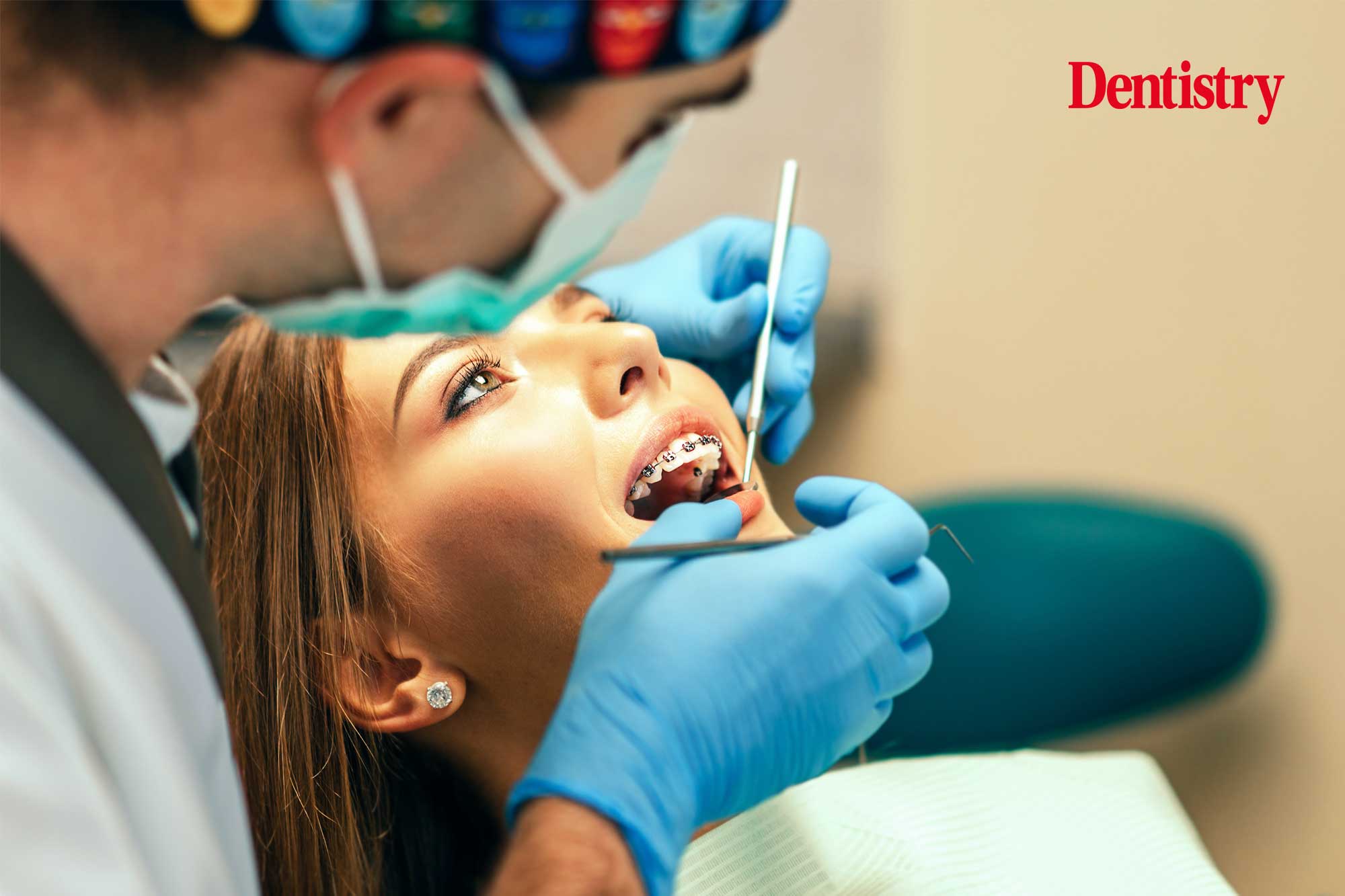
Orthodontic treatment has evolved significantly over the past two decades, shifting from traditional metal brackets to more discreet, removable solutions. Patients today seek options that align with their professional lifestyles and cosmetic preferences without sacrificing clinical results. At the forefront of this shift is Invisalign, a system utilizing advanced 3D imaging technology to create custom-fit trays. This approach allows for precise tooth movement while maintaining an aesthetically pleasing appearance throughout the process. Understanding the data and frequent inquiries surrounding this treatment helps patients make informed decisions about their dental health.
How prevalent are orthodontic misalignments?
According to recent dental health surveys, a significant portion of the adult population experiences some degree of malocclusion, or misalignment of the teeth. Studies indicate that nearly 60 to 70 percent of adults could benefit from orthodontic intervention. Historically, many adults avoided treatment due to the visibility and discomfort of traditional metal braces. The introduction of clear aligner therapy has dramatically changed these statistics. Dental clinics report a sharp increase in adult orthodontic consultations, largely driven by the desire for a less noticeable correction method.
What is the clinical efficacy of clear aligner systems?
Clinical trials and patient outcome data demonstrate high success rates for clear aligner therapies when addressing mild to moderate orthodontic issues. Research shows that compliance is the most critical factor in achieving desired outcomes. When patients wear their trays for the recommended 20 to 22 hours per day, success rates rival those of traditional braces for closing gaps, resolving crowding, and correcting minor bite issues. Orthodontists use advanced software to predict the exact trajectory of each tooth, providing a statistical probability of success before treatment begins.
How long does a standard treatment timeline last?
Treatment duration varies widely depending on the complexity of the individual case. On average, standard aligner treatments are completed within 12 to 18 months. Some minor corrections, often referred to as express treatments, can achieve the desired results in as little as six months. Statistical averages from orthodontic practices indicate that patients who strictly adhere to the wear schedule often finish their treatment exactly on the projected timeline. The ability to switch to a new set of trays every one to two weeks optimizes the overall timeframe.
What are the demographic trends among aligner patients?
While originally popular among working professionals, clear aligners have seen a massive surge in teenage demographics. Industry reports highlight that the teenager segment is currently the fastest-growing market for clear orthodontic devices. Specialized aligners designed specifically for younger patients now include compliance indicators—small blue dots that fade with wear—allowing parents and dentists to track usage accurately. This demographic shift highlights a broader acceptance of digital orthodontics across all age groups, proving aesthetic solutions are highly valued across generations.
How does the cost compare to traditional methods?
Financial considerations remain a primary question for prospective patients. Data from national dental associations suggest that the cost of clear aligners is now highly competitive with traditional braces. The average national cost ranges from $3,000 to $7,000, depending heavily on the treatment length and geographic location. Furthermore, an increasing number of dental insurance plans have expanded their orthodontic coverage to include clear aligners, recognizing them as a standard medical treatment. Flexible financing options have also increased accessibility across different income brackets.
Achieving a Healthier Smile Through Advanced Technology
The landscape of orthodontics has fundamentally transformed, driven by patient demand for comfort, aesthetics, and predictable outcomes. The statistical evidence supporting modern clear aligners confirms their position as a highly effective tool for correcting a wide array of dental misalignments. By blending cutting-edge digital planning with material science, these systems offer a streamlined path to improved oral health. For individuals considering orthodontic correction, the next logical step involves scheduling a comprehensive consultation with a certified provider to determine precise treatment parameters.